

Coral Restoration
Supporting Reefsystems in Kenya
Overfishing and lack of regulation has led to the loss of biodiversity and depletion of fish in Kenya’s Coastal Waters. This whilst many livelihoods depend on it. But there is hope for restoration!
The Narwhal Rainbow Alliance will collaborate and support ReefSystems to create artificial reefs and replant coral to restore the health of these coastal waters. ReefSystems collaborates with the involved communities to also establish agreements about the status of protection. In the longrun the so called spill-over effects of this Marine-Protected-Area can help local fishers.
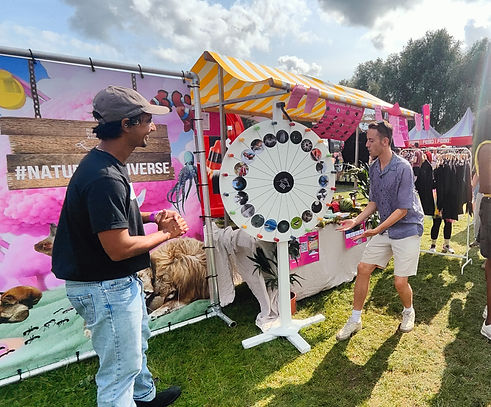
We collected a 1000 euros this summer thanks to our Marketstand on Milkshake Festival and from our loyal supporters.
This will translate to 52 pieces of new coral.
With your support we hope to at least double this! So join our crowdfunding for coral restoration in Kenia
Why is this important?
Restoring coastal water ecosystems in Kenya—through the partnership with Reefsystems—is a important move for biodiversity because it addresses the three most critical habitats of the tropical ocean in a single, interconnected loop.
In Shimoni, natural reefs were historically devastated by blast fishing, leaving behind "biological deserts" of rubble and sand. Regeneration here isn't just about saving what is left; it’s about reconstructing the physical foundation of life. All proceedings from this campaign will go directly to Reefsystem's project in Kenya

Restore Biodiversity
Marine biodiversity in Kenya relies on a "triad" of habitats. When you restore the reef in Shimoni, you are effectively repairing a broken chain:
-
Mangroves: Act as filters, trapping land-based sediment that would otherwise smother corals.
-
Seagrass Meadows: Capture nutrients and act as the primary "nursery" for juvenile fish.
-
Coral Reefs: Provide the 3D complexity and protection where those fish eventually live as adults.

Substrate for Success
Corals cannot grow on sand. The bio-receptive concrete used by Reefsystems provides a stable, calcium-rich surface that mimics natural limestone, encouraging wild coral larvae to settle and grow.

The "Spill-over" Effect Support Local People
The Shimoni project works in tandem with the creation of Marine Protected Areas (MPAs) or "No-take zones."
-
Recovery: Inside the restored area, fish populations can explode in size and number.
-
Exporting Life: As the area becomes "full," the excess fish move (spill over) into the surrounding waters where local fishers can catch them sustainably. This proves that nature-based solutions can benefit both the planet and the local economy.
#RainbowAlliesUnited4BioDiversity
Thanks to our marketstand at Milkshake Festival and all generous contributions we already collected a 1000 euros for this campaign. Will you help us double this?
About Reefsytems
Innovative Biodiversity Solutions
Established in 2017, ReefSystems provides innovative solutions to stimulate biodiversity under and above water. There mission is to create a new path in nature inclusive construction to actively support ecosystem restoration in the built environment. Many alarming reports indicate the importance of habitat creation. Nature-inclusive building projects help to contribute to the wellbeing of nature, people and planet, but often contractors struggle to find the right solution. That is why ReefSystems combines scientific research, design, engineering and practical installation planning to develop the best project specific innovation for nature. ReefSystems has a proven track record of successful projects delivered throughout the world.
Check out more of their valuable work on their website.


A reflection:
We realize queer rights in Kenya are not where they should be. However due to the urgency of biodiversity collapse and social livelihood challenges in this country we did not want this to be the reason to not support the restoration work in this area.
Hopefully in the future we can mobilize more change in this regards by showcasing the diversity of nature?